 English
 Español
 Português
 русский
 Français
 日本語
日本語 Deutsch
 tiếng Việt
 Italiano
 Nederlands
 ภาษาไทย
 Polski
 한국어
한국어 Svenska
 magyar
 Malay
Malay বাংলা ভাষার
 Dansk
Dansk Suomi
Suomi हिन्दी
 العربية

Why Is a Loose Leaf Notebook Binder the Smartest Choice for Modern Organization
In an age where flexibility and personalization are essential for productivity, the loose leaf notebook binder has become a preferred solution for students, professionals, and creatives alike. Unlike traditional bound notebooks, loose leaf binder notebooks allow users to rearrange pages, add inserts, and customize layouts based on evolving needs. This article explores why loose leaf notebook binders are revolutionizing the way people organize information.
We will cover their structure, advantages, materials, practical applications, and how to choose the best binder for your workflow. Additionally, we’ll provide expert insights, comparison tables, and practical tips for maximizing productivity using loose leaf systems. The article also references professional notebook solutions from Aiyide, a brand known for premium stationery manufacturing.
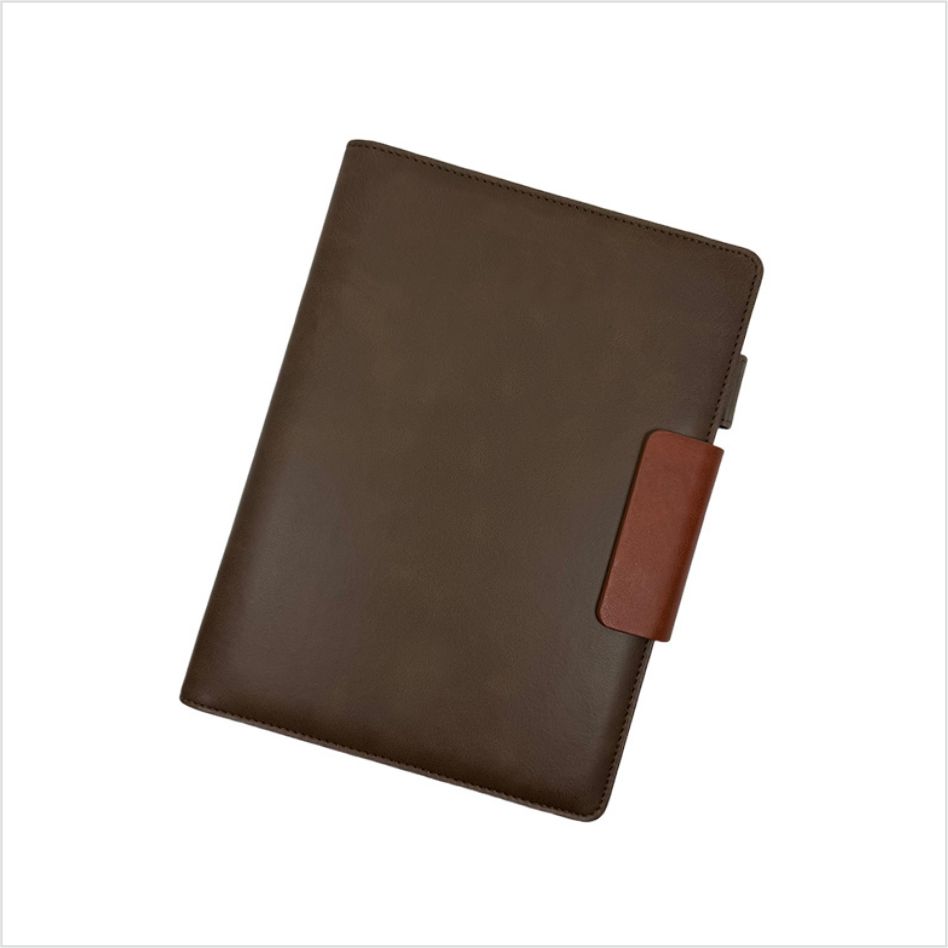
Table of Contents
- What Is a Loose Leaf Notebook Binder?
- Why Are Loose Leaf Notebook Binders Becoming So Popular?
- Key Components of a Loose Leaf Binder Notebook
- Advantages Over Traditional Bound Notebooks
- Common Materials Used in Binder Notebooks
- Applications: Who Uses Loose Leaf Notebook Binders?
- How to Choose the Best Loose Leaf Notebook Binder
- Customization and Branding Opportunities
- Maintenance and Long-Term Use Tips
- Future Trends in Notebook Binder Design
- Frequently Asked Questions
What Is a Loose Leaf Notebook Binder?
A loose leaf notebook binder is a notebook system that allows individual pages to be inserted, removed, or rearranged using rings, discs, or binding mechanisms. Unlike standard notebooks where pages are permanently bound, loose leaf systems offer full flexibility and modular organization.
Typically, these notebooks contain:
- Metal ring binder mechanism
- Durable notebook cover
- Pre-punched refill pages
- Optional dividers and pockets
Users can add or remove pages whenever necessary, making them ideal for evolving projects, class notes, business planning, and journaling.
Why Are Loose Leaf Notebook Binders Becoming So Popular?
Modern productivity requires tools that adapt to dynamic workflows. Loose leaf notebook binders offer flexibility that fixed notebooks cannot match.
Top Reasons for Their Popularity
- Page rearrangement – Easily move notes into logical order
- Expandable capacity – Add pages as needed
- Reusable system – Replace only paper, not the whole notebook
- Custom layouts – Mix calendars, notes, checklists, and planners
- Professional appearance – Ideal for meetings and presentations
Because of these advantages, many companies now provide high-quality binder notebook systems. For example, loose leaf notebook binder solutions offered by Aiyide combine durable materials with customizable designs.
Key Components of a Loose Leaf Binder Notebook
Understanding the structure of a loose leaf binder helps users select the right configuration.
| Component | Description | Function |
|---|---|---|
| Cover | Leather, PU, PVC, or fabric exterior | Protects pages and enhances aesthetics |
| Ring Mechanism | Metal rings or discs | Allows pages to be inserted and rearranged |
| Loose Leaf Pages | Punched refill paper | Main writing surface |
| Dividers | Tabbed separators | Organize notebook sections |
| Pockets | Plastic or paper inserts | Store receipts, notes, or cards |
These components together create a versatile notebook ecosystem suitable for multiple use cases.
Advantages Over Traditional Bound Notebooks
Traditional notebooks are simple but inflexible. Loose leaf binder notebooks provide several advantages that improve usability.
Comparison Table
| Feature | Loose Leaf Notebook Binder | Traditional Notebook |
|---|---|---|
| Page rearrangement | Yes | No |
| Refillable | Yes | No |
| Customization | High | Low |
| Long-term usability | Excellent | Limited |
| Professional appearance | Premium options available | Usually simple |
Because of these benefits, professionals often prefer binder notebooks for project management and documentation.
Common Materials Used in Binder Notebooks
Material choice significantly affects durability, appearance, and price.
Popular Notebook Cover Materials
- PU Leather – Elegant and cost-effective
- Genuine Leather – Premium appearance and durability
- PVC – Waterproof and lightweight
- Fabric Covers – Soft and stylish
- Cardboard – Budget-friendly option
Manufacturers such as Aiyide offer multiple material options to meet corporate branding or retail requirements.
Applications: Who Uses Loose Leaf Notebook Binders?
Loose leaf binder notebooks are incredibly versatile and serve many different user groups.
Students
- Organize subjects with dividers
- Add or remove lecture notes
- Keep assignments neatly arranged
Business Professionals
- Meeting notes
- Project planning
- Client documentation
Creative Professionals
- Sketchbook pages
- Idea brainstorming
- Portfolio organization
Personal Planners
- Habit trackers
- Daily planning
- Goal setting
How to Choose the Best Loose Leaf Notebook Binder
Selecting the right notebook binder requires evaluating several important factors.
1. Binder Size
- A5 – Portable and popular
- A4 – Suitable for professional documents
- B5 – Balanced writing space
2. Ring Capacity
Ring size determines how many pages the binder can hold.
| Ring Size | Approximate Capacity |
|---|---|
| 15 mm | 80 pages |
| 20 mm | 120 pages |
| 25 mm | 180 pages |
| 30 mm | 250 pages |
3. Cover Durability
For daily use, durable materials such as PU leather or reinforced covers are recommended.
4. Customization Options
- Logo embossing
- Color variations
- Custom inserts
- Packaging design
Customization and Branding Opportunities
Many companies use loose leaf notebook binders as promotional or corporate gifts. Custom branding enhances brand recognition and professionalism.
Popular Customization Options
- Logo stamping or embossing
- Custom printed pages
- Corporate color covers
- Magnetic closures
- Pen holders and accessory pockets
Professional stationery manufacturers such as Aiyide specialize in customized notebook solutions for businesses, schools, and retailers worldwide.
Maintenance and Long-Term Use Tips
Proper care ensures your binder notebook lasts for years.
- Keep the binder dry to prevent cover damage
- Avoid overloading rings with too many pages
- Replace worn-out pages regularly
- Clean covers with a soft cloth
Maintaining a structured notebook system also improves productivity and reduces clutter.
Future Trends in Notebook Binder Design
Stationery products continue to evolve alongside digital productivity tools.
Emerging Trends
- Eco-friendly recycled materials
- Hybrid digital-paper planning systems
- Minimalist professional designs
- Smart accessories for productivity
As personalization becomes increasingly important, modular notebook systems like loose leaf binders will likely remain a staple of modern organization.
Frequently Asked Questions
1. What size loose leaf notebook binder is most popular?
A5 binders are the most widely used because they balance portability with sufficient writing space.
2. Can loose leaf notebook binders be reused?
Yes. One of their main advantages is that you can replace or add pages without replacing the entire notebook.
3. Are loose leaf binders suitable for business use?
Absolutely. Many professionals use them for meetings, project notes, and document organization.
4. What paper types are compatible with binder notebooks?
Most binders support lined paper, grid paper, blank paper, planner pages, and specialty inserts.
5. Can companies customize notebook binders with logos?
Yes. Manufacturers such as Aiyide provide custom branding, material options, and packaging solutions for businesses.
Conclusion
The loose leaf notebook binder represents a smarter and more adaptable approach to organizing ideas, plans, and information. With its modular structure, customizable design, and reusable format, it provides significant advantages over traditional notebooks.
Whether you are a student managing coursework, a professional organizing projects, or a creative capturing ideas, a high-quality binder notebook can transform your workflow. Modern solutions offered by Aiyide combine durability, design flexibility, and professional craftsmanship, making them ideal for both personal and corporate use.
If you are looking for reliable and customizable loose leaf notebook binder solutions for your brand or organization, contact us today to explore professional manufacturing options and premium stationery products.
Send Inquiry


X
We use cookies to offer you a better browsing experience, analyze site traffic and personalize content. By using this site, you agree to our use of cookies.
Privacy Policy